Secure Parenting for Families
Secure Parenting for Stronger Families
Couples searching for support whether through couples therapy, marriage counseling, or family guidance often find themselves balancing demanding careers, high expectations for their children, and ongoing stress at home. When challenges like teenage anxiety, family conflict, or concerns about a college-bound child arise, it’s natural to question whether you’re handling everything the right way.
In many cases, these challenges are less about parental shortcomings and more about underlying attachment patterns within the family. Secure parenting strategies help you better understand your child’s emotional needs, respond with confidence, and build a stronger, more connected family environment—reducing conflict and fostering long-term resilience.
Why Secure Attachment Matters for Teens
In high-pressure environments, teens often face academic and social stress that can lead to anxiety or emotional struggles.
A secure attachment at home helps teens feel supported, communicate more openly, and handle challenges with greater confidence and resilience.
Feel safe bringing problems to their parents instead of hiding them
Handle conflict without shutting down or escalating emotionally
Stay connected to their parents while developing healthy independence
What Research Shows About Secure Attachment
Decades of research consistently show that children with secure attachment develop important emotional and relational strengths over time. These patterns are linked to how safe, supported, and understood a child feels in their relationship with caregivers. Securely attached children tend to show:
- Greater self-esteem and a stronger sense of self-worth
- Healthier emotional regulation, especially during stress
- More stable, resilient relationships as they grow
Compared to children with anxious or avoidant attachment patterns, they are often more confident, appropriately independent, and better equipped to handle challenges and uncertainty.
Secure Attachment and College Transition
Teens with secure attachment are more likely to bring problems to their parents, handle conflict in healthy ways, and stay emotionally connected while becoming more independent. Research shows that this secure foundation also supports a smoother transition to college—leading to better adjustment, less loneliness, and more consistent, supportive connection with parents during the first year.
The Identified Patient in Families
In many families, a teen may be labeled as the “problem,” showing anxiety, withdrawal, or defiant behavior. From a family systems perspective, these struggles often reflect deeper patterns within the family rather than an issue within the teen alone.
A teen’s behavior is often a signal of underlying family stress or disconnection
Emotional distance, unresolved conflict, or high parental stress can shape how symptoms show up
Strengthening the parents’ relationship often shifts the entire family dynamic
As connection improves, teens frequently show reduced anxiety and more stability
Secure parenting helps move the focus from blame to understanding and connection
How Secure Attachment Is Built in Our Work
At Balance Hour LLC, Secure Parenting for San Ramon Families is offered through flexible pathways that respect the busy schedules of san Ramon couples who may already be coming in for couples counseling.
In group workshops, parents learn practical skills such as emotion coaching, reading subtle cues, staying present during meltdowns, and repairing after misattunements, which is especially valuable for families already utilizing counseling services for teenage anxiety or depression.
Individual secure parenting sessions with a psychologist helps you explore your own attachment history, understand why certain child behaviors trigger you, and develop more sensitive, consistent ways of responding that still hold boundaries.
In EFT-focused couples work such as couples therapy with a psychologist or marriage counseling with a psychologist, EFT is used to create corrective emotional experiences between partners. As partners access their vulnerabilities, restructure negative patterns and negative cycles, and learn to comfort, validate, and reassure each other, they naturally gain skills that translate directly into secure parenting (Johnson, 2004).
Why a Secure Base Matters During Life Transitions
As teens move into college and early adulthood, having a secure emotional base at home helps them step into new environments with greater confidence and independence, while still feeling comfortable turning to their parents for support, guidance, and reassurance when challenges arise.

Secure attachment supports strong emotional development—helping children regulate emotions, feel less overwhelmed, and build resilience when facing stress or challenges.
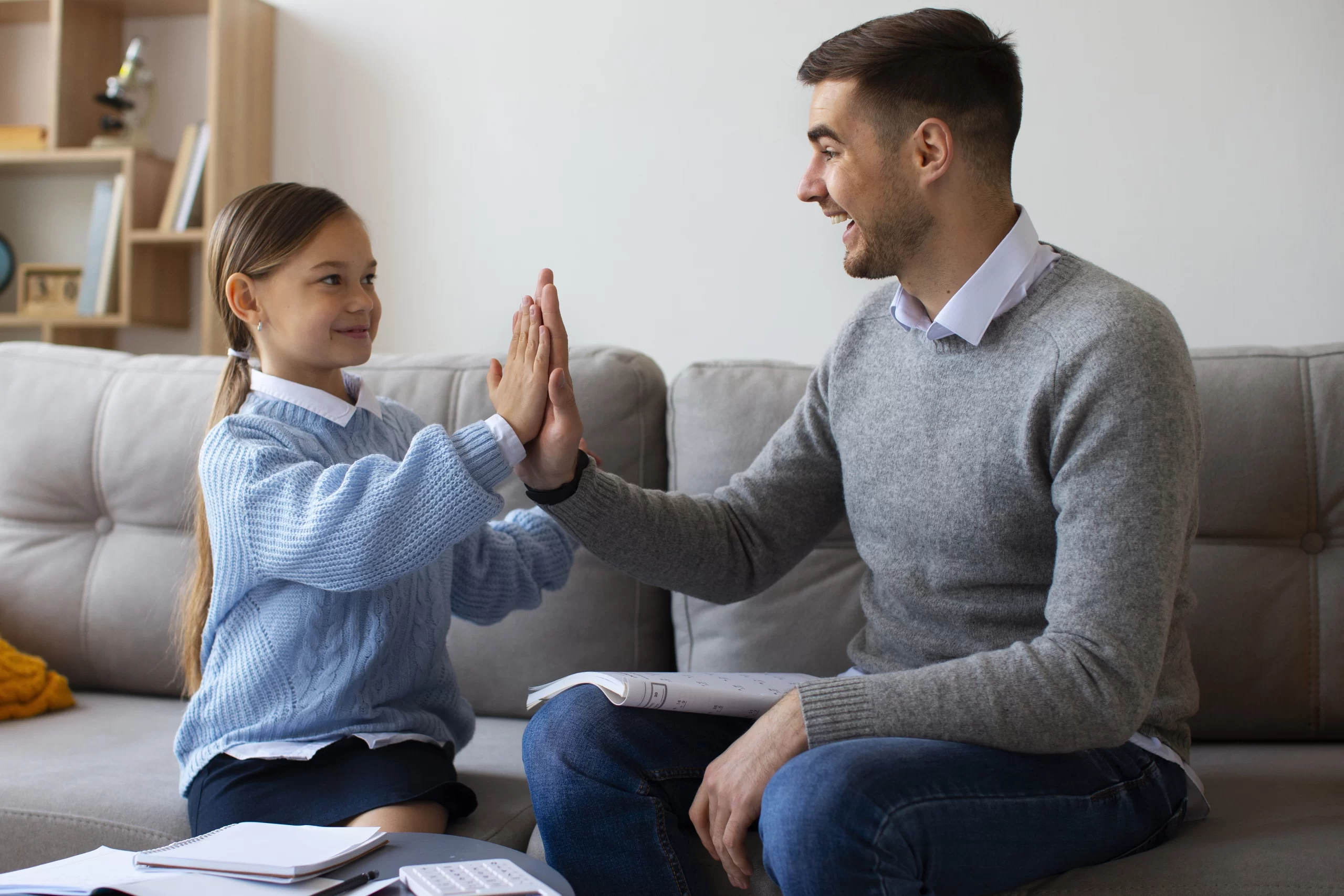
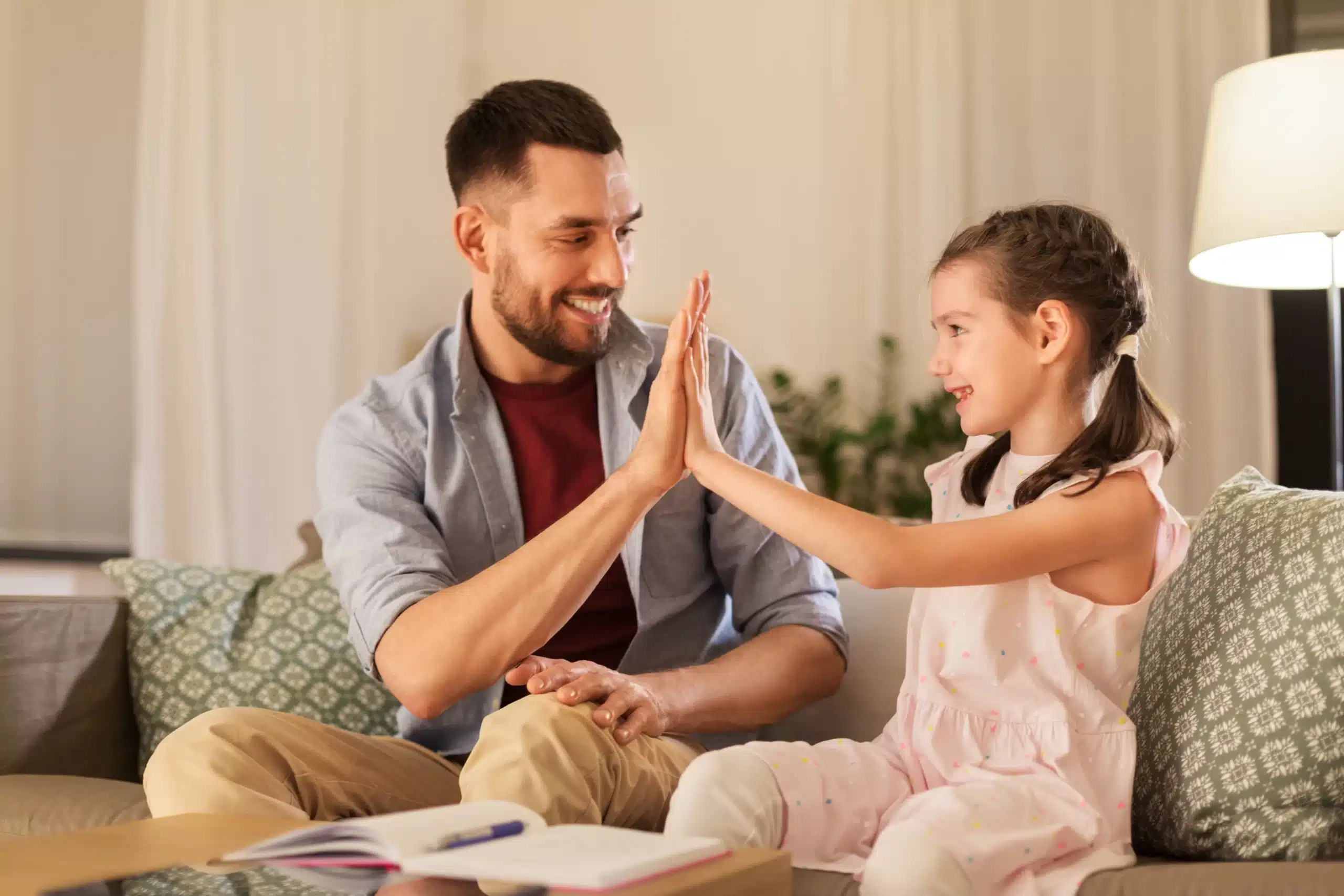
It also strengthens social and academic growth, leading to better relationships, greater empathy, improved problem-solving, and stronger focus and engagement in school.
Integrating Secure Parenting with Family Support
Secure parenting is most effective when integrated with other forms of support, creating a more cohesive and consistent approach for families. This may include combining parenting strategies with couples work, individual support for teens, or guidance around stress, anxiety, and life transitions.
For many families, this integrated approach helps address both relational patterns and individual challenges at the same time—supporting parents, strengthening connection, and creating a more stable foundation during periods of growth and change.
Serving Couples Across California
Services are available virtually throughout California, with in-person sessions offered in San Ramon for local families. This makes it easy for couples already searching for support to access care that fits their schedule and needs.
If you’re ready to strengthen your relationship and create a more secure, connected environment for your family, you can schedule a free consultation at (408) 337-2544 or tim@balancehour.com to explore the best next step.


Specialized therapy for anxiety, depression, trauma, relationship issues, and burnout — serving Dublin, Pleasanton, San Ramon, Livermore, Castro Valley, Danville, and the greater Tri-Valley area. We help high-achieving professionals and couples reconnect, heal, and thrive through individual therapy, couples counseling, and EMDR therapy in Dublin, CA.
Serving: Dublin · Pleasanton · San Ramon · Livermore · Castro Valley · Danville · Walnut Creek · Tri-Valley, CA | Online therapy available throughout California
Individual Therapy
Individual Therapy
Coaching
Subscribe to Newsletter
Stay connected and receive helpful relationship tips, mental wellness insights, and updates from Balance Hour. We respect your privacy and never send spam.
© 2026 Balance Hour. All rights reserved.
- Terms of Services
- Privacy Policy