


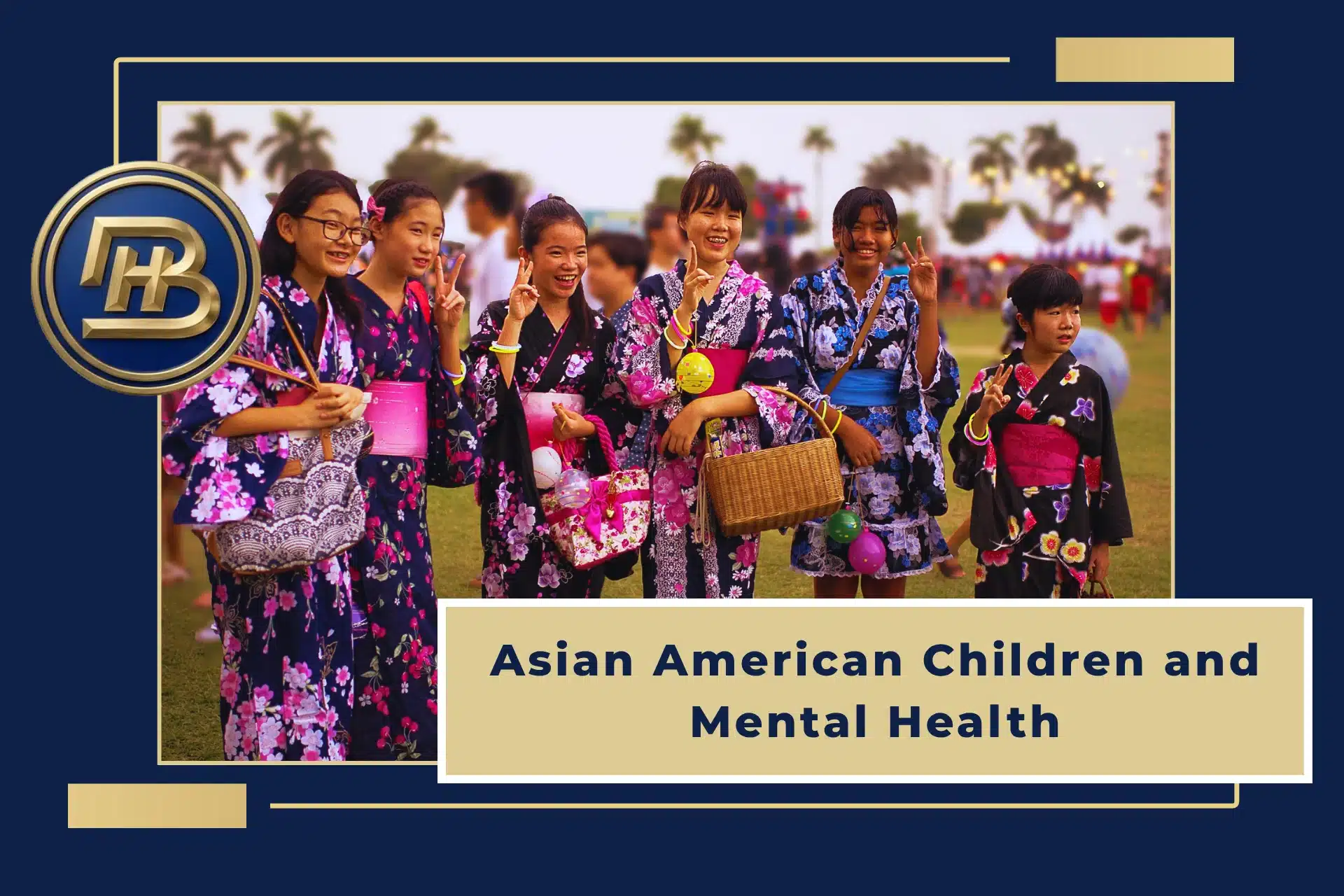
Research on Asian American youth reveals troubling patterns, where despite stereotypes of academic success and obedience, many young people from strict, controlling families struggle significantly with mental health struggles such as depression, anxiety, suicidal thoughts, and self-harm. Researchers call this “disempowering parenting,” which is a combination of parenting with high control and low warmth, while also having perfectionist expectations and conditional love based on performance (Choi et al., 2019). When parents raise children through fear, embarrassment, comparisons, shame, and unattainable standards rather than warmth and understanding, the mental health consequences can be significant, and the family dynamics can be quite strenuous. For these reasons, many searching for counseling for anxiety, counseling for depression, therapy for my child, or therapy for my teenager, are also searching for ways to better understand why their parenting style is creating more distance between them and their children. Let’s break down some of the most common issues I see as a therapist in the Bay Area for many Asian clients.
Studies of Asian and Asian American families and parenting show a clear pattern: high parental control + low parental warmth = increased likelihood of depression and anxiety in children
Abusive and Emotionally Neglectful Parenting
The single most harmful parenting behavior discussed in Choi et al.’s (2019) research is when parents use harsh punishments, threats, rejection, and humiliation rituals towards their children. This sends children the message that they are not good enough, unwanted, unlovable, and not worthy. According to Choi et al. (2019), this is how profoundly harmful the effects of this type of parenting can be on the youth:
- Significantly increases depressive symptoms in the short term and in the long term
- Approximately 13 times higher odds of suicidal ideation compared to youth who don’t experience this type of parenting
- Increased likelihood of issues regarding identity, lack of self-advocacy, lack of self-esteem, lack of self-worth, and persistent mental health struggles
- One of the strongest predictors of mental health problems even when all other parenting styles are examined together
- Effects worsen over time—young people exposed to this parenting show declining mental health across a two-year study period
Conditional Love Based on Achievement
Parents who only conditionally show love based on how well a child does can be sending a message to their child that they are only worthy when they perform. When parents show love, pride, approval, acceptance, and care based on the condition of their child getting perfect grades or achieving something highly ambitious, this creates a psychological burden for the child, where they believe that they are only worthy of love when they perform well, which often creates a chronic anxiousness or anxiety around disappointing others, fear of being judged by others, fear of failure, and fear of taking the risk of trying something new or difficult. According to Choi et al. (2019), the effects on children include:
- Chronic sense that their accomplishments are never “good enough”
- Significant increase of depressive and anxious symptoms
- Higher risk of suicidal thoughts and ideation
- Increased anxiety and fear about disappointing parents and community
- Stress from perfectionism and inability to rest or enjoy success
Acculturation Gap & Culturally Disjointed Parenting
When immigrant parents hold traditional values but children adopt more American values, parents tend to respond with control, criticism, and a refusal to listen (Choi et al., 2019). This causes a distance and barrier between child and parents, where the child feels caught between two opposing worlds and has difficulty managing conflict and expectations regarding chosen field of study, career, friendships, dating, self-expression, and familial responsibilities. Some of these dynamics may be a cause or result of mental health struggles , as the child navigates the pressures of cultural conflict while trying to meet both familial and societal expectations.
- Parents demand to control life decisions including college choice, career, relationships, dating, and etc
- Parents dismiss youth’s social life as unimportant to academics and their future
- Parents pressure youth to sacrifice personal interests for family without question
- Parents demand respect for authority while the child wants conditional respect
- Parents enforce strict gender roles and youth may see this as outdated or unfair
- Parents are preoccupied with “saving face” in the community while the child sees this as unnecessary
How this conflict affects a child may be in the following ways:
- Increased depressive symptoms
- Increased suicidal ideation
- Increased guilt, fear, and shame about self
- Lost or weakened sense of belonging or worth
- Fearful of making any mistakes
- Afraid of trying something new or that’s too difficult
- Overachieving but also very anxious and overwhelmingly stressed
- Afraid of telling you that they are struggling
How this conflict affects your relationship with your child may be in the following ways:
- Little to no communication from your child
- Your child responds with one-word answers such as “yes”, “no”, or doesn’t respond at all from shutting down
- You and your child argue often about them not doing their work or not turning their work in on time
- Your child hides poor grades or poor performance from you
- Your child is not open to sharing their emotions and thoughts with you
- You know very little about your child’s life outside of the home
- Your arguments get more intense and worse over time
If you’re seeing these signs in your child and your relationship with your child, then it may not be as simple as they are being too ungrateful or too sensitive, rather, they may actually be showing signs of severe distress, mental health struggles, and the impact of generational patterns rooted in fear, pressure, and performance.
Many of my clients who search for services often start with searching for couples therapy to discuss conflict, marriage counseling for parents, or couples therapists for parents in Dublin, Pleasanton, Livermore, and the surrounding areas. If you are looking for a children’s therapist, marriage therapist, parenting therapist, parent therapist, or parenting coach, you have come to the right place.
References “Choi, Y., Lee, M., Lee, J. P., Park, M., Lee, S. Y., & Hahm, H. C. (2019). Disempowering parenting and Mental Health Struggles among Asian American youth: Immigration and ethnicity. Journal of Applied Developmental Psychology, 66, 101077. https://doi.org/10.1016/j.appdev.2019.101077″